Baltimore Customs Broker
& Freight Forwarder
Baltimore Roots. Global Reach. Freight Expertise Since 1915.
Baltimore has been a gateway to global trade for more than 300 years. Shapiro has been part of that story since 1915, building our reputation as a trusted customs broker and freight forwarder right here in Charm City.
Headquartered in Baltimore, Maryland, our team helps importers and exporters navigate ocean freight through the Port of Baltimore and air cargo through BWI Thurgood Marshall Airport. From international freight bookings and customs clearance to inland transportation, we bring local know-how and global logistics expertise together under one roof.
The port has seen its share of changing tides. So have we. More than a century later, we’re still helping businesses keep their cargo moving, their compliance in check, and their supply chains on course.
Corporate Headquarters:
1215 E. Fort Avenue
Baltimore, MD 21230
Suite 201
Phone: 410-539-0540
Toll Free: 800-695-9465
Shapiro and the Port of Baltimore: A Brief History
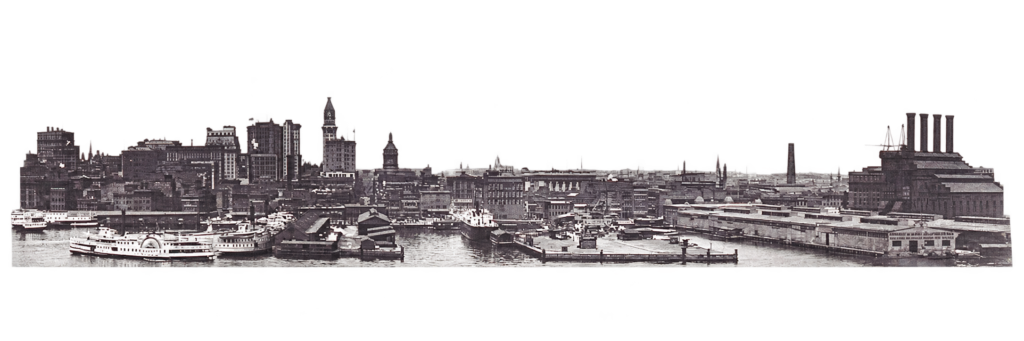
Shapiro’s story begins a few blocks from the waterfront, at the Custom House on Gay Street. For more than a century, the company has grown alongside the port, through the rise of containerization, the shift to electronic customs filing, and the 2024 Key Bridge collapse. During the channel closure, Shapiro’s team rerouted freight through alternate East Coast ports and kept entries filed on time, then helped clients return to Baltimore once the channel reopened. Now a third-generation, family-owned company, Shapiro brings that same local knowledge to every Baltimore shipment, with licensed customs brokers who know the port, the terminals, and the CBP team personally.
Scroll or use the arrows to move through history. Select a milestone for details.
The Port of Baltimore Today
The Port of Baltimore ranks among the top 10 U.S. ports for foreign cargo, serving as a major East Coast gateway for automobiles, containerized freight, and project cargo.
Baltimore’s location is a major advantage, offering efficient rail and truck connections to the Midwest and access to roughly one-third of the U.S. population within an overnight drive, including major markets like Washington, Philadelphia, New York, and Pittsburgh.
The Port of Baltimore (CBP port code 1303) serves as a key customs gateway, with CBP offices at the historic Custom House on South Gay Street. Shapiro coordinates shipments through Seagirt for containers, Dundalk for RoRo and breakbulk, and Locust Point for forest products and general cargo.
Baltimore is best known for autos and RoRo, heavy and project cargo, containers, and forest products. The port ranks second in the US for autos and light trucks, salt, exported coal, and imported sugar. Its 50-foot channel and supersized cranes at Seagirt let it handle the largest vessels calling on the East Coast; in November 2025 the port welcomed the Evergreen Ever Model, capable of carrying more than 15,000 TEUs, the second largest ship ever to call there.
The port is fully operational. Its public and private marine terminals set new records for total cargo vessel visits and container activity in 2025, following the port’s recovery from the Key Bridge collapse. Container business is expected to grow further with the 2026 completion of the CSX Howard Street Tunnel Project, a $518 million effort to modernize a 130-year-old freight tunnel that will allow double-stacked container trains.
BWI Airport Cargo Clearance
Why Use BWI for Air Cargo?
BWI Thurgood Marshall Airport is the Mid-Atlantic’s air cargo gateway. For freight bound to Maryland, Virginia, D.C., or Pennsylvania, BWI often moves faster than JFK, EWR, or IAD, with shorter truck lines, less congestion at the cargo terminals, and a shorter final-mile drive.
Where Is CBP at BWI?
The CBP air cargo office is located on the lower level of Pier E.
Air Cargo Facilities
BWI’s 395,000-square-foot Air Cargo Center includes a 60,000-square-foot building in the Midfield Cargo Complex, a Foreign Trade Zone, and a 17-acre cargo ramp with parking for 17 aircraft. Shapiro works with bonded warehouses and CFSs at the airport to handle in-bond and bonded cargo.
Airlines and Services
Scheduled cargo airlines at BWI include DHL, FedEx, LGSTX, and UPS, along with international passenger airlines that carry cargo in the belly of their aircraft.
Typical Air Commodities
BWI’s primary cargo includes machine parts, electrical machinery, aircraft and spacecraft components, seafood, chemicals, and pharmaceutical and biological products. E-commerce and other perishables are common as well.
How Fast Does Air Cargo Clear at BWI?
Air entries usually clear faster than ocean, often within hours of arrival, because there’s no ISF filing and cargo is available to CBP sooner. The most common delays are holds from partner government agencies (PGAs) such as FDA or USDA, and missing or incomplete commercial invoices. Sending documents before the flight is the best way to avoid them.
Shapiro Air Services at BWI:
Import Clearance
Licensed brokers file entries and work directly with CBP at BWI to release freight quickly.
Export Bookings and AES Filings
We book space/file Electronic Export Information so your outbound cargo departs compliant.
Consolidations
Combine smaller shipments to reduce cost per kilo.
Time-Critical and Expedited Shipments
Next-flight-out and priority options when timing is critical.
Dangerous Goods Handling
Properly documented and packaged hazmat shipments that meet IATA rules.
Pickup and Delivery
Door-to-door service, from origin pickup to final delivery across the region.
Why Choose Shapiro as Your Baltimore Customs Broker?
Shapiro has been part of the Port of Baltimore since 1915, and the company is still headquartered here. That history means local relationships with CBP, terminal operators, and carriers that newer or out-of-town brokers can’t match. About one-third of Shapiro’s staff are licensed customs brokers, so your entries are handled by experts rather than passed along. Because Shapiro is both a customs broker and a freight forwarder, one team can manage your ocean or air freight and your customs clearance together, with full visibility through the Shapiro 360° portal. And as a third-generation, family-owned company, Shapiro offers the personal service of a local partner with the reach of a global network.
Services
Ocean Freight and Customs Clearance
(Port of Baltimore)
Shapiro handles FCL and LCL imports and exports through Seagirt, Dundalk, and Locust Point, along with RoRo, breakbulk, and project cargo. We file ISF and customs entries, manage PGA requirements, arrange customs bonds, and coordinate drayage and inland delivery to the Mid-Atlantic and Midwest. When disruptions hit, our team adjusts routings to keep your freight moving.
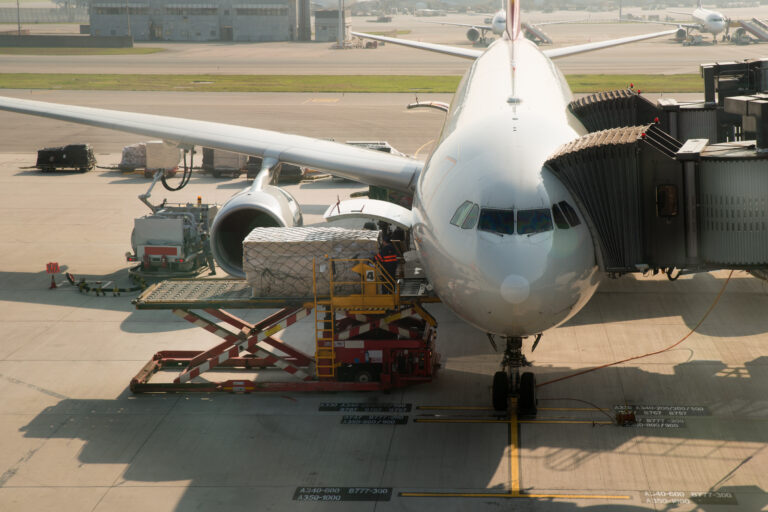
Air Freight and Customs Clearance
(BWI)
At BWI, Shapiro clears imports, books exports and files AES, consolidates freight, and arranges time-critical, dangerous goods, and door-to-door shipments. We coordinate customs clearance and documentation to keep cargo moving. With licensed brokers nearby and established airport relationships, our team minimizes delays and ensures reliable delivery.
How Does Customs Clearance Work in Baltimore?
Air and ocean clearance follow the same basic steps: documents are submitted, the entry is filed, CBP and any PGAs review it, and the cargo is released. The main differences are speed and filing. Ocean imports require an Importer Security Filing (ISF) at least 24 hours before loading at the foreign port, and clearance typically takes a few days around vessel arrival. Air shipments have no ISF requirement and are usually released within hours of landing, provided documents are complete.
Frequently Asked Questions
Yes. Shapiro’s licensed customs brokers clear air imports at BWI Marshall Airport and handle export bookings and AES filing for outbound air cargo.
Most air shipments with complete documents clear within hours of arrival. Shipments flagged by a PGA such as FDA or USDA, or missing an invoice, can take longer.
It depends on urgency, size, and cost. BWI is best for time-sensitive, high-value, or lightweight freight. The Port of Baltimore is more cost-effective for larger or heavier shipments, vehicles, and project cargo. Shapiro can quote both and help you choose.
Baltimore was designated a port of entry in 1706, making the port more than 300 years old.
Shapiro is a licensed customs broker headquartered in Baltimore since 1915. About one-third of its staff are licensed customs brokers, and it handles both customs clearance and freight forwarding for ocean shipments at the Port of Baltimore and air shipments at BWI.
The Port of Baltimore’s CBP port code is 1303. It is a CBP service port, and the CBP office is at 40 South Gay Street.
No. The Importer Security Filing (ISF) applies only to ocean imports. Air shipments are covered by advance air cargo data filed by the carrier, so importers do not file an ISF for air freight.
Baltimore handles containers, autos and other roll-on/roll-off cargo, heavy and project cargo, forest products, and bulk cargo such as coal and salt. It ranks second in the US for autos and light trucks.
Yes. Shapiro can reroute freight through other East Coast ports and airports, file entries at the new port, and arrange inland delivery, as it did for clients during the 2024 Key Bridge closure.
Yes. Shapiro is both a licensed customs broker and an international freight forwarder, so one team can book your ocean or air freight and clear it through customs.
Your Baltimore Partner Since 1915
Local Expertise: Headquartered in Baltimore, with licensed brokers who know the port and BWI firsthand.
Ocean and Air, One Team: Customs brokerage and freight forwarding managed together, start to finish.
Built to Last: More than a century of keeping freight moving, through every change and disruption.